

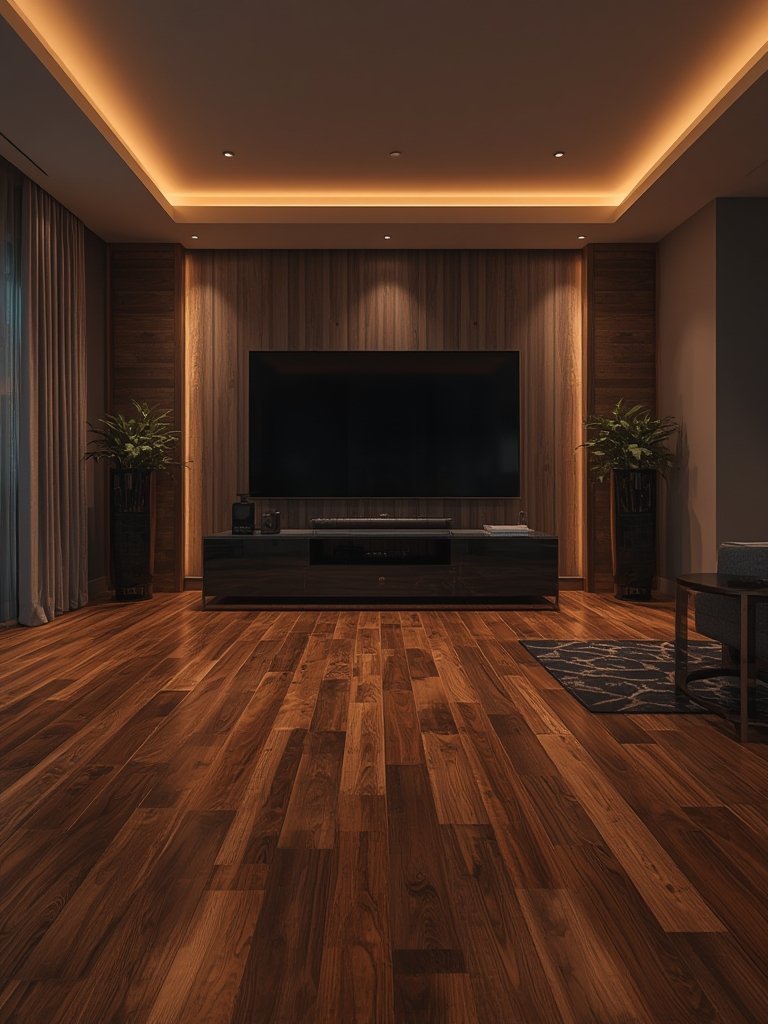
Are you standing on worn, scratched hardwood floors wondering if it’s time for a complete overhaul or just a refresh? This decision isn’t just about aesthetics—it’s a significant investment that impacts your home’s value and your daily living experience. Hardwood floor refinishing offers a cost-effective alternative to complete replacement, potentially saving thousands while breathing new life into your existing floors. In 2025, homeowners face evolving costs, material availability, and new technologies that make this decision more nuanced than ever before.
Table of Contents
What You’ll Need / Materials Required
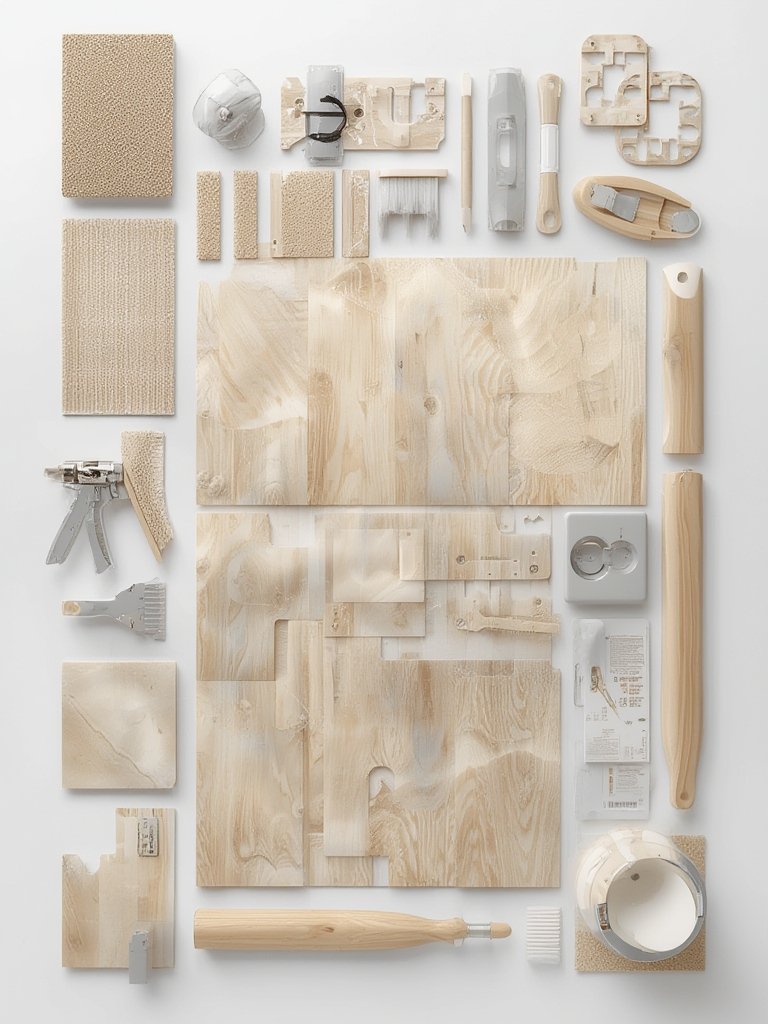
For a successful hardwood refinishing project, gather these essentials:
- Floor sander (drum or orbital)
- Edge sander for corners and edges
- Sandpaper (60, 80, 100, and 120 grit)
- Wood filler for cracks and holes
- Polyurethane finish (water-based or oil-based)
- Applicator (lambswool or synthetic)
- Vacuum and tack cloth
- Respirator mask and safety goggles
- Painter’s tape and plastic sheeting
- Stain (optional, if changing color)
For those considering replacement with Vinyl plank flooring, you’ll need different materials including underlayment, planks, transition strips, and specialized cutting tools.
Project Time / Installation Duration
Hardwood floor refinishing typically requires 3-5 days for an average-sized room (250-300 sq. ft.):
- Day 1: Preparation and sanding
- Day 2: Fine sanding and staining (if applicable)
- Days 3-5: Multiple coats of finish with drying time
The room will be unusable during this period and requires an additional 24-48 hours after completion before furniture can be replaced. Complete floor replacement can take 7-10 days including removal of existing flooring, subfloor preparation, and new installation.
Step-by-Step Installation/Usage Guide
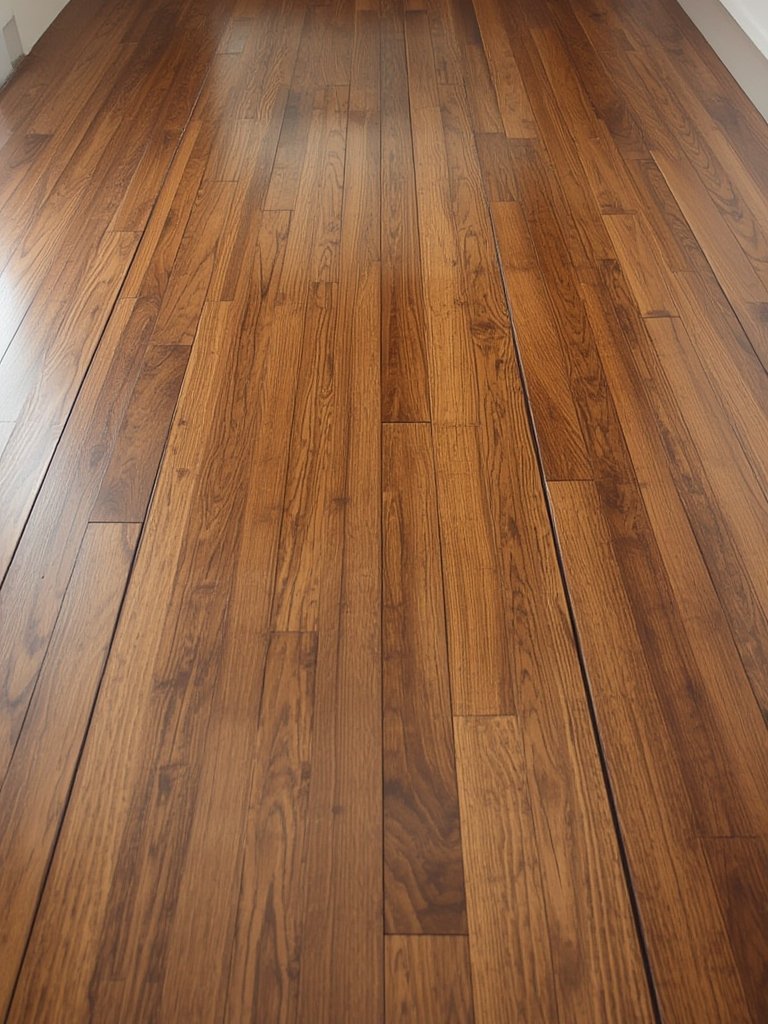
- Prepare the space: Remove all furniture, curtains, and baseboards. Seal doorways and vents with plastic to contain dust.
- Inspect for damage: Replace severely damaged boards before beginning.
- Sand the floor: Start with coarse-grit sandpaper and progress to finer grits, always moving with the wood grain.
- Clean thoroughly: Vacuum and use tack cloth to remove all dust particles.
- Apply stain (optional): Use a lambswool applicator, working in small sections and wiping excess.
- Apply finish: Pour a thin line of polyurethane and spread evenly. Allow proper drying time between coats (typically 24 hours).
- Light sanding between coats: Use fine-grit sandpaper (220) to ensure proper adhesion.
- Apply final coat: Follow manufacturer’s instructions for curing time.
Key Features / Performance Benefits of Hardwood Floor Refinishing
Hardwood floor refinishing offers significant advantages:
- Cost savings of 50-70% compared to new installation
- Preserves original architectural character
- Environmentally friendly (no new materials needed)
- Increases home value by 3-5% on average
- Modern finishes offer superior durability and scratch resistance
Tips, Alternative Methods, or Expert Recommendations of Hardwood Floor Refinishing
Consider these professional insights:
- Water-based polyurethane dries faster but may not be as durable as oil-based
- Screen and recoat (light sanding and new topcoat) can extend floor life between full refinishings
- Dark stains show scratches more readily than lighter finishes
- Professional refinishing costs $3-5 per square foot in 2025, while DIY materials run $1.50-2.50 per square foot
Common Mistakes to Avoid
- Rushing through sanding grades (always progress gradually)
- Inadequate dust removal between steps
- Applying finish too thickly (thin, even coats are best)
- Walking on floors before fully cured
- Skipping the screen sanding between polyurethane coats
Maintenance / Care Instructions
Maintain your refinished floors with:
- Regular sweeping and dust mopping
- Prompt cleaning of spills to prevent staining
- Microfiber mop with manufacturer-approved cleaner
- Furniture pads to prevent scratches
- Humidity control (35-55% ideal) to prevent wood expansion/contraction
Conclusion
Hardwood floor refinishing represents one of the best ROI home improvement projects for 2025, offering substantial savings while enhancing your home’s beauty and value. Whether tackling it yourself or hiring professionals, the transformation of tired hardwood into gleaming floors delivers lasting satisfaction and practical benefits that new flooring alternatives often can’t match.
FAQs
How many times can hardwood floors be refinished?
Solid Hardwood Floor Refinishing can typically be refinished 5-7 times over their lifetime, depending on their thickness and previous refinishing history.
Is refinishing or replacing more cost-effective?
Refinishing costs 50-70% less than replacement in most cases, making it significantly more cost-effective unless floors have structural damage.
How long does refinished hardwood typically last?
A professional refinishing job should last 7-10 years with proper maintenance, though high-traffic areas may need attention sooner.
Can engineered hardwood be refinished like solid hardwood?
Engineered hardwood with a veneer thicker than 2mm can usually be refinished 1-2 times, while thinner veneers may only support screen and recoat processes.
Is Vinyl plank flooring a better long-term investment than refinished hardwood?
While vinyl offers water resistance and durability, refinished hardwood typically provides better ROI and can last 100+ years with proper maintenance, compared to vinyl’s 10-20 year lifespan.