

GPS dog fence technology is rapidly changing how pet owners keep their dogs safe, offering virtual boundaries and real-time tracking without the need to dig up your yard or pay monthly fees. If you’re considering a high-tech dog fence but want to avoid subscriptions or hidden costs, this guide is for you.
Key Takeaways
- Advanced GPS dog fence technology is booming in 2024, with a major shift to wireless, subscription-free models. [source]
- Easy installation, app-based setup, and real-time dog tracking are standard features, but subscription-free systems may be affected by accuracy issues, signal loss, and legal regulations in some locales.
- Choosing the right virtual fence requires understanding property layout, terrain, system reliability, and changing regulatory standards beyond 2025.
- How Wireless GPS Dog Fences Work—and Why They’re Taking Over
- Step-by-Step: Setting Up and Using a Subscription-Free GPS Dog Fence
- Advanced Analysis & Common Pitfalls of GPS Dog Fences
- Conclusion
- FAQ
How Wireless s Work—and Why They’re Taking Over
Wireless GPS dog fences use satellite-based positioning to create “invisible” boundaries around your property or any safe zone you define. Instead of burying wires or building physical barriers, you use a smart collar and a smartphone app to designate where your dog can and cannot go. If your dog approaches the set perimeter, the collar emits warning sounds or gentle static corrections to keep your pet safely within bounds.
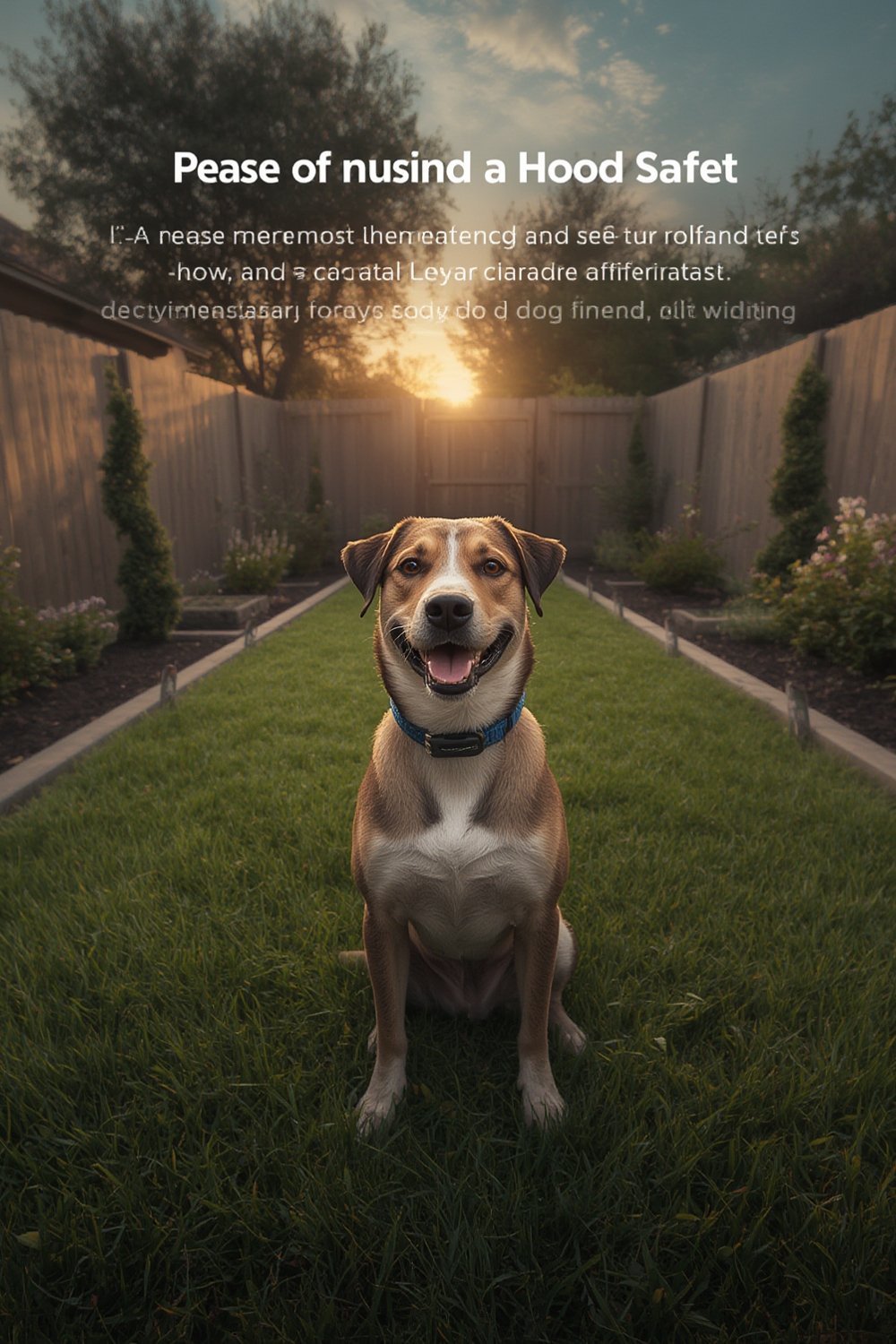
This approach has proven so popular that, as of 2024, the global GPS-enabled dog fence collar market hit USD 410 million, driven by a dramatic 524% surge in searches year-over-year. Dogs no longer need to rely on traditional fences, making virtual barrier systems attractive for renters, travelers, and owners of large or unusually shaped properties. Brands like Halo Collar, SportDOG, and PetSafe offer high-tech alternatives, some with zero monthly fees for basic features.
Besides creating safe spaces, some modern GPS collars also provide real-time location tracking, daily activity monitoring, and even customizable training modes—all managed right from your phone.
Step-by-Step: Setting Up and Using a Subscription-Free
Setting up a wireless GPS dog fence without a subscription is refreshingly simple. Here’s how you can secure your yard or travel spot in a few steps:
- Unbox and Charge: Take out your GPS-enabled collar, handheld unit (if included), and charger. Fully charge the devices before setup.
- Install the App: Download the collar brand’s official app. Registration is typically required, but for subscription-free units, there are no ongoing fees.
- Map Your Boundaries: Use the app to walk the perimeter of your property or desired safe zone. The GPS will log your movements and set digital boundaries.
- Test the System: Place the collar on your dog and review warnings or corrections as you approach the edge. Tweak boundaries or correction settings in the app for accuracy and comfort.
- Monitor and Train: Most collars offer a training mode—introduce your dog to the boundary in short sessions, rewarding them for staying inside the safe area.
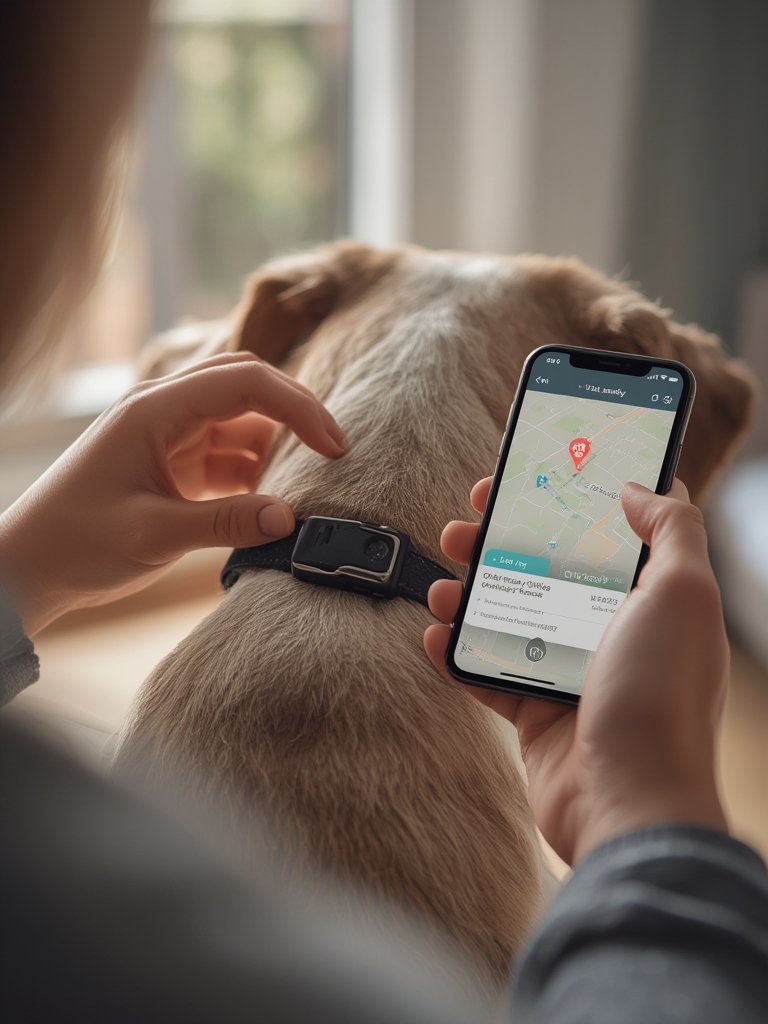
Many of these collars store unlimited virtual fences through the app. This feature outperforms older in-ground systems and even many competitor products currently recommended online. If you want to compare low-cost containment with pet safety devices, check out our in-depth review of the AirTag dog collar—it’s another subscription-free solution for tracking pets outside virtual fences.
Bonus: Subscription-free systems may cost more upfront but can save you hundreds compared to monthly plans. However, always verify whether advanced features (detailed activity logs or location history) are subscription-locked.
Advanced Analysis & Common Pitfalls of s
While next-gen GPS dog fences are gaining ground, they’re not perfect. Here are some common pitfalls and real-world factors to consider:
- Accuracy can drift: Even high-end GPS collars may have a deviation of 3-10 feet, especially in areas with dense tree cover, tall buildings, or bad weather. That can lead to false alarms or gaps in coverage.
- Signal loss: All systems are vulnerable to lost GPS signal under metal roofs, near thick concrete walls, or during storms. Some devices revert to lowest safety settings in these cases, but boundaries can be temporarily ineffective.
- Battery life limitations: Subscription-free and paid systems alike now offer better batteries (usually 10-36 hours active use), but you must charge frequently—if the collar dies, so do the virtual fences.
- No one-size-fits-all performance: Large, hilly, or wooded properties increase the odds of accuracy issues. Always test your boundary before starting unsupervised use.
- Regulations on electronic containment: Some states (like California) are tightening safety and electromagnetic standards for electronic fences effective 2025. Local regulations may apply—check city or HOA rules, especially if you combine with physical fencing.
Here’s a quick feature comparison of leading brands and system types, based on market research and product data:
| Feature | Halo Collar | PetSafe GPS | Typical In-Ground System |
|---|---|---|---|
| Smartphone Integration | Yes | Yes | No |
| Wireless & Portable | Yes | Yes | No |
| Unlimited Custom Fences | Yes | Limited | Not supported |
| Subscription Needed | Optional (for extra features) | None | No |
| Works Across Terrain | Yes | Mixed | Wiring issues |
| Legal/HOA Acceptance | Check local regulations | Check local regulations | Usually accepted |
| Price Range | $$$ (plus optional subscription) | $$–$$$ | $$–$$$ (install costs) |
Many 2024 mainstream reviews and “best of” lists still skip over unlimited fence creation, true mobile portability, and built-in dog psychology-based training—key features for modern GPS collars, especially those aiming to be subscription-free. For owners considering home improvements or design upgrades alongside smart pet tech, explore our latest guides on kitchen remodel cost and bathroom renovation 2025 for seamless indoor-outdoor living.
Conclusion
Subscription-free wireless systems are poised to overtake outdated pet containment methods in 2024 and beyond. They offer next-level flexibility, true portability, and powerful features without surprise monthly fees. However, real-world performance depends on GPS accuracy, property layout, and staying up to date with changing safety regulations. For even smarter home management, see our practical guides on smart thermostat installation and hardwood floor refinishing. Ready to protect your pup with the latest virtual fencing? Start by comparing top GPS dog fence options and always test your setup before relying on it full time.
FAQ
Will a wireless GPS dog fence work if I don’t have a Wi-Fi connection?
Most GPS dog fence systems don’t require Wi-Fi for basic perimeter enforcement, but advanced app features, real-time tracking, or updates may need a mobile data connection.
Is a subscription-free GPS dog fence as reliable as one with a monthly plan?
For basic boundary containment, many subscription-free GPS collars are just as reliable. Paid subscriptions often unlock bonus features like multiday location history or dog activity analytics, not core containment.
How accurate are GPS dog fences compared to in-ground wired fences?
GPS-perimeter accuracy can vary by 3 to 10 feet, especially with trees, buildings, or in bad weather. Wired systems offer more precision but are not portable and require professional installation.
Are there legal restrictions on using GPS dog fences in my area?
Rules vary by municipality. Some areas mandate additional safety standards for electronic containment. Always check with your local animal services or homeowners association (HOA) before using a GPS fence exclusively.
Can I use the same GPS dog fence system when traveling?
Yes—most wireless systems let you create new virtual fences anywhere. Just walk the area with the collar and app to set boundaries at each new location.