

AirTag dog collar setups are growing in popularity as pet owners look for affordable ways to track their dogs and cats—but before you attach one to your animal’s neck, it’s crucial to know the real benefits, limitations, and risks. Here’s a practical breakdown of what works, what goes wrong, and how to realistically use AirTags as a pet locator in 2024.
Key Takeaways
- Reliable lost pet recovery rates with AirTag dog collars remain unproven compared to GPS and traditional microchips—real-world data is missing.
- Most common AirTag collar complaints involve holders breaking, poor water-resistance, and unreliable tracking (especially for small pets and in rural areas).
- Smart attachment and regular safety checks are critical; cheap holders can create choking hazards or be swallowed.
- What Is an AirTag Dog Collar and Why Use One?
- How to Set Up and Use an AirTag Dog Collar (Step-by-Step)
- Advanced Analysis & Common Pitfalls
- Summary & Should You Use an AirTag Dog Collar?
- AirTag Dog Collar FAQ (2024)
What Is an AirTag Dog Collar and Why Use One?
An AirTag dog collar is simply a collar (or add-on holder) designed to carry an Apple AirTag tracker on your pet’s neck, letting you use Apple’s Find My network if your animal goes missing. Unlike a true GPS pet collar, an AirTag doesn’t have its own GPS or cellular connection—it relies on being picked up by nearby iPhones to determine a location.

Why do dog and cat owners use AirTags? The main reasons are affordability (AirTags cost far less than GPS collars), simplicity (set it up once, replace the battery yearly), and the comfort of a small, lightweight device. For those living in cities with dense iPhone coverage, this offers at least a basic last-known-location tool, which can help recover a missing animal if they’re close enough to people with iPhones.
However, no robust studies exist showing a reliable increase in pet recovery rates with AirTags versus no tracker, and many pet professionals—including veterinarians—stress that AirTags aren’t purpose-built for live animal tracking.
You’ll also find that while waterproof and breakaway AirTag collars sound good in theory, most are not actually engineered for the punishment dogs and cats deliver. Be ready to pay more for a properly sealed, securely attached collar, especially if your pet likes rough play or water.
How to Set Up and Use an AirTag Dog Collar (Step-by-Step)
- Choose the Right Collar or Holder: Not all AirTag holders are equal. Prioritize a collar with a built-in AirTag slot or use a flush, reinforced silicone/TPU holder that fits tight on the collar band. Avoid dangling or snap-on keychain styles—they fail far more often and can be swallowed by your pet.
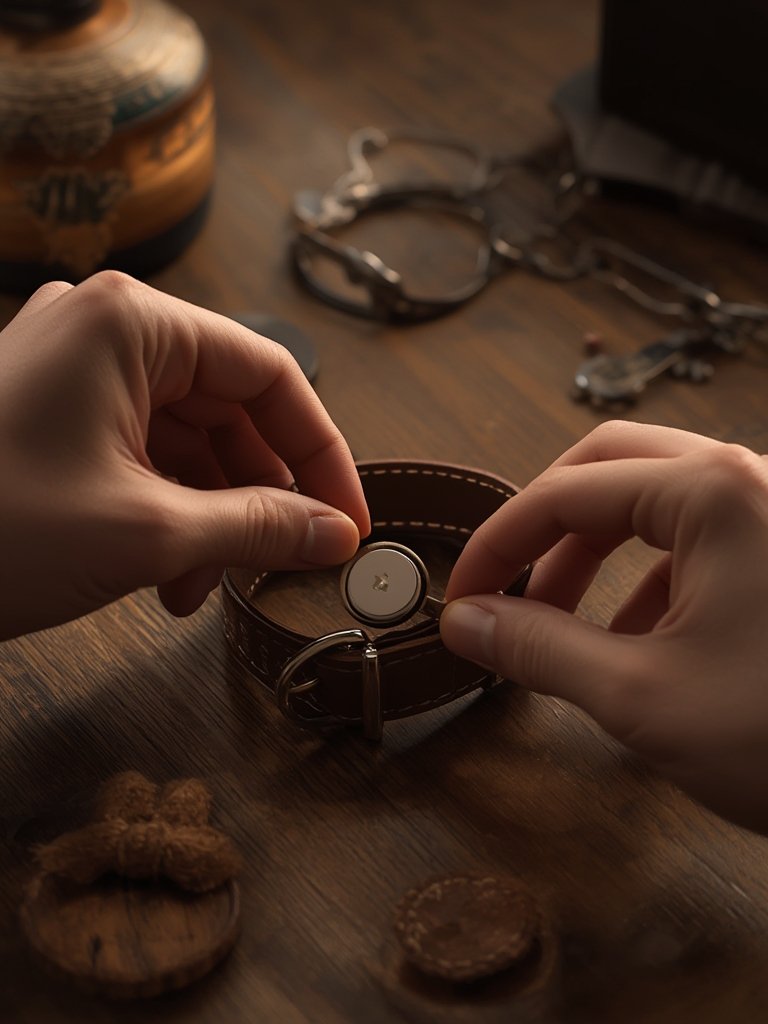
- Install the AirTag: Insert the AirTag into its compartment. Double-check that the holder or pod is sealed and locked per manufacturer instructions, especially if the collar is marketed as waterproof.
- Fit the Collar: Ensure the collar is snug but not tight—ideally, you should fit two fingers between the collar and your pet’s neck. For cats and small dogs, use a collar that is both lightweight and (for cats) breakaway buckle to reduce choking risk.
- Set Up in Apple’s Find My App: With the AirTag in place, pair it to your iPhone using the Find My app, label it with your pet’s name, and verify it updates on your device.
- Test Real-World Tracking: Take your pet for a walk off-leash (in a safe, enclosed area) and have a friend track the AirTag’s updates via Find My while you move out of Bluetooth range. Compare this with your expectations—AirTags update opportunistically, not in true real-time.
- Routine Safety Checks: At least once a week, inspect the collar, holder, and AirTag for signs of stretch, tearing, or excessive moisture. Replace immediately if damaged, or if the AirTag sounds loose.
- Pair With a Real ID Tag and Microchip: Never rely on the AirTag alone. Traditional ID tags and microchipping remain the most reliable recovery tools.
- Budget for Replacements: Most AirTag holders used daily on active pets need replacement every 6-24 months. Heavy chewers and outdoor animals may require even more frequent changes.
If you’re investing in a remodel or upgrade at home, check our guide for kitchen remodel costs in 2025 to budget smartly for all aspects of home and pet care.
Advanced Analysis & Common Pitfalls
Most AirTag dog collar failures in 2024 boil down to three things: mechanical weakness, poor waterproofing, and unrealistic expectations about tracking. Here’s a closer look at the details owners wish they’d known before their purchase.
Failure Points: Kick the Tires Before You Buy
- Holder or Collar Breakage: The most common complaint in actual reviews is holders breaking, stretching, or detaching—especially if your dog wrestles with others, catches the collar on brush, or if your cat squeezes through fences. Source
- “Waterproof” Is Often Exaggerated: Basic snap-together or silicone-sleeve holders can let in moisture at flex points and screw caps, causing condensation and eventual AirTag failure. If your pet likes swimming or rough weather, IP67-or-better seals and O-rings are a must—but rare outside high-end models.
- Choking & Swallowing Risk: AirTags are small enough to be swallowed if loosened or chewed out of the collar. Choose holders that sit flush and regularly check for signs of stretching or bite marks. Multiple cases have required veterinary surgery.
- Real-World Accuracy: AirTags aren’t GPS. In rural or low-density areas, tracking updates are irregular or sometimes nonexistent once your pet leaves Bluetooth range. City-dwellers fare better, but even then, updates lag and buildings can block signals.
Comparison: AirTag Collars vs. True GPS Pet Trackers
| Feature | AirTag Collar | GPS Pet Tracker |
|---|---|---|
| Tracking Method | Find My network (nearby iPhones only) | Own GPS & cellular module |
| Update Speed | Delayed, not real-time | Continuous, real-time |
| Upfront Cost | $29–$100 (incl. collar & holder) | $70–$300 |
| Subscription Fees | None (battery $1-5/year) | $5–$30/month |
| Risk of Swallowing | Yes, if holder fails | No (too large to ingest) |
| Waterproofing Reliability | Often questionable | Better in premium models |
| Comfort for Small Pets | Good if low-profile; can be bulky in some holders | Still bulkier/heavier overall |
Learn more on coverage and tracking gaps in different environments.
Don’t forget—true GPS pet collars cost more upfront and require a monthly plan, but provide real, independent location tracking that is far more reliable for escape-prone pets.
Consider overall costs and risks as you make your decision. And if you’re updating your home to fit pets more safely, you may also want to explore 2025 bathroom remodel trends for pet-friendly features.
Summary & Should You Use an AirTag Dog Collar?
Most pet owners love the affordability and small size of AirTag dog collar solutions. If you live in an urban area with dense Apple device coverage, a well-secured AirTag collar is a “better than nothing” tool for tracking—but comes with high risks if cheap holders are used. For rural areas, heavy chewers, or high-value animals, a dedicated GPS pet collar is safer and more reliable.
AirTag dog collar setups are only as secure and effective as the holder you select and how often you inspect it. Never rely solely on AirTags for your pet’s safety—use microchips and ID tags as your primary recovery tools, and consider the pros, cons, and hidden costs with an integrated approach.
Ready to upgrade? Compare your pet tracking needs, understand the real-world limitations, and choose the collar solution that balances budget, safety, and peace of mind.
AirTag Dog Collar FAQ (2024)
Can an AirTag dog collar track my pet in real time?
No. AirTags update only when in Bluetooth range of an iPhone (or another Apple device). You may not see timely updates if your pet escapes to a remote area or moves quickly. GPS collars provide true real-time tracking with their own cellular connection.
Is it safe to put an AirTag on my dog or cat’s collar?
If you use a secure, flush-mounted holder and inspect it often, AirTags can be relatively safe. However, dangling holders (keychain style) can break off and become a choking or swallowing hazard. Always combine with microchips and ID tags for safety.
How often do AirTag holders break or get lost?
Actual percentages aren’t published, but user reviews and expert sources report frequent loss/detachment with cheap, hanging, or silicone-only holders—especially during play, rough outdoor activity, or with cats squeezing through tight spots. Expect to replace holders or collars every 6–24 months depending on your pet.
Does Apple recommend AirTags for tracking pets?
No. Apple’s support documents state that AirTags are designed to locate items, not pets or people. Using them on animals is at your own risk and lacks official backing or pet-specific safety guarantees.
What’s the best AirTag dog collar for small breeds or cats?
Choose a lightweight collar with an integrated, recessed (not dangling) AirTag holder. For cats, ensure there’s a breakaway buckle. Look for soft, rounded materials and avoid extra bulk at the throat.
—