

AirTag dog collar solutions have surged in popularity as pet owners search for smarter, tech-driven ways to prevent lost pets. But does attaching an Apple AirTag to your dog’s collar truly offer reliable peace of mind—or do the risks outweigh the backup plan? This guide explores what works, what doesn’t, and how to make informed decisions for your pet’s safety.
Key Takeaways
- AirTag dog collars are most effective in urban areas with a dense network of Apple devices and are not a direct replacement for dedicated GPS pet trackers.
- Veterinarians warn of ingestion and battery hazards; always choose breakaway safety designs and avoid AirTags for pets who chew their gear.
- Most competitor articles overlook long-term comfort, escape risk for cats, and real compatibility with smart pet management apps.
- What Is an AirTag Dog Collar and Why Use One?
- Step-by-Step Guide: Using an AirTag Dog Collar Safely
- Advanced Analysis & Common Pitfalls
- Conclusion
- FAQ
What Is an AirTag Dog Collar and Why Use One?
An AirTag dog collar is a standard pet collar designed with a secure mount or sleeve for an Apple AirTag. The goal is to help pet owners find runaway or lost dogs by tracking the AirTag with Apple’s Find My network. Unlike true GPS pet trackers, AirTags don’t contain built-in GPS—they depend on Bluetooth and the presence of nearby iPhones to relay their location.

Interest in AirTag dog collars is growing for reasons of cost, convenience, and privacy. A single AirTag costs less than most GPS trackers, requires no monthly fee, and works out of the box with the Apple devices many families already use. However, the technology’s real-life performance draws mixed results—especially in less populated areas where the Find My network is thin. There are also valid safety concerns about battery exposure if chewed or swallowed, and debates about how waterproof and rugged these solutions are compared to true pet wearables.
If you’re invested in broader home automation, you may also be considering how an AirTag collar solution fits within your ecosystem—looking at potential integration with smart home accessories like thermostats (see our Smart Thermostat Installation Guide 2025) or future pet monitoring apps.
Step-by-Step Guide: Using an AirTag Dog Collar Safely
Selecting the Right Collar and Holder
Choose a collar with a specifically designed slot, pouch, or mount for the AirTag. Look for breakaway safety designs if you plan to use the collar on a cat or a small dog, and inspect for strong stitching and water resistance. Avoid clones or off-brand holders made from cheap plastics or metal parts that can irritate your pet’s neck.
How to Install and Activate Your AirTag
- Register the AirTag: Open the Find My app on your iPhone and tap “Add New Item.” Name the tag (use “Dog Collar” or your pet’s name).
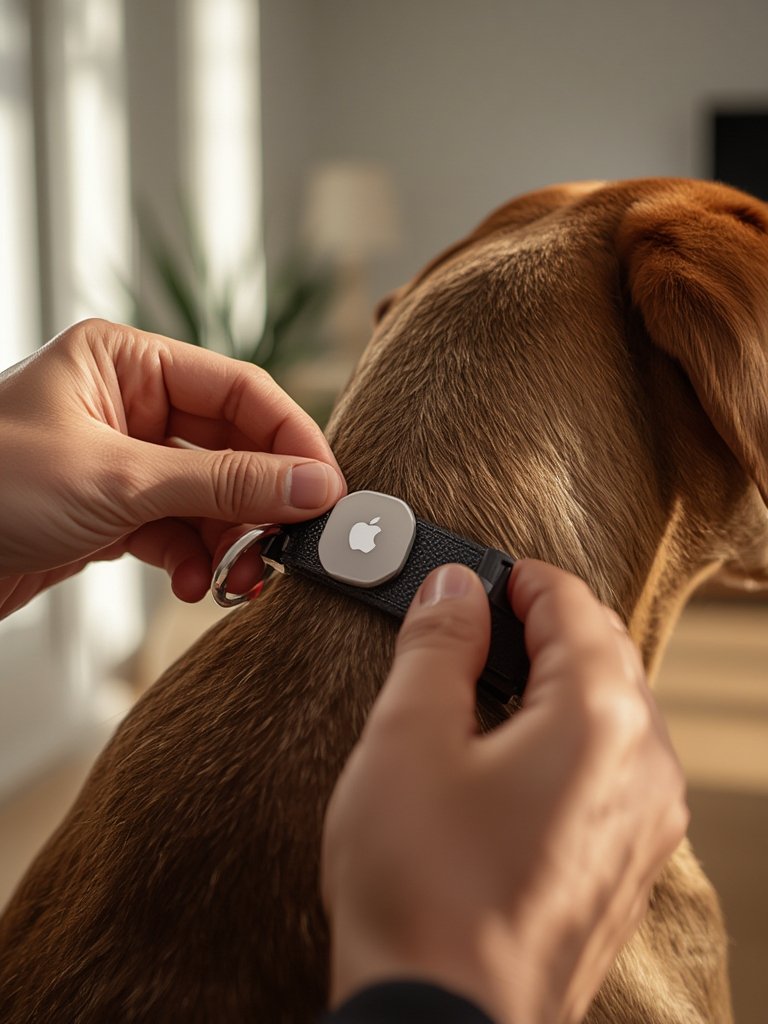
- Secure It in the Holder: Place the AirTag into the collar’s dedicated pocket or a third-party silicone holder. Double-check that it can’t be easily removed by your pet or lost during rough play.
- Attach to Collar: Slide the loaded holder securely onto the collar. Be sure it sits flat and does not dangle.
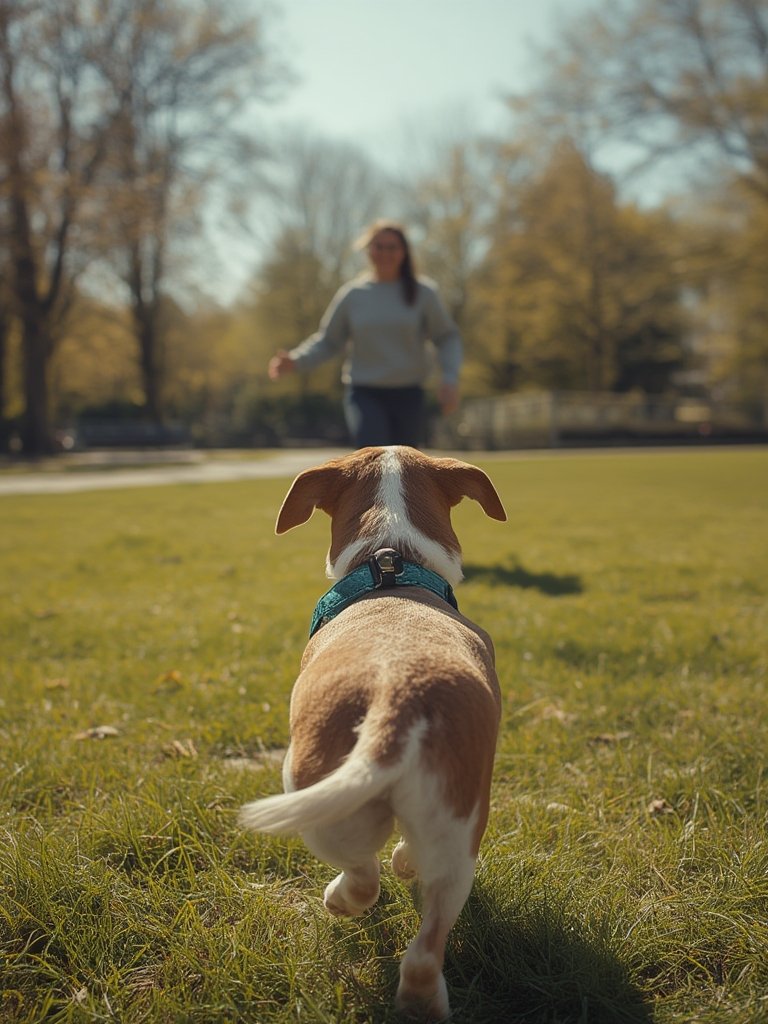
- Test Tracking: Get a friend to hide your dog or take them for a walk—use the Find My app’s “Items” tab to locate the AirTag and ensure it updates as your pet moves.
Maintaining Your AirTag Collar
- Replace the AirTag battery (CR2032) when your iPhone warns you—typically every 10 to 12 months. If your pet swims often or is exposed to rain, check the holder for water intrusion.
- Inspect the collar holder regularly for teeth marks, cracks, or any sign your pet might be trying to chew or remove the device.
- For ultimate safety, only use AirTags as a backup—microchip your pets and keep up-to-date ID tags on their collars.
When Not to Use an AirTag Dog Collar
- For pets prone to chewing or known for swallowing foreign objects, do not use AirTags, as battery exposure can be deadly.
- Don’t rely on AirTags as your primary solution in low-population, rural, or heavily wooded areas.
- Never attach AirTags to collars with metal loops that could touch the battery compartment or interfere with signal transmission.
Advanced Analysis & Common Pitfalls
While AirTag dog collars offer practical benefits, the technology has real-world limitations owners must understand.
Tracking Range & Update Limitations
Apple AirTags work by pinging off nearby Apple devices. This means tracking is excellent in dense, urban settings but can be nearly useless in areas with few iPhones. Most competitor articles gloss over this fact, but it’s critical for those in rural communities or who visit outdoor parks.
| Feature | Apple AirTag (with dog collar) | Dedicated GPS Pet Tracker |
|---|---|---|
| Location Technology | Bluetooth + Find My Network | Built-in GPS + Cellular |
| Live Tracking Update Rate | Varies, not real-time (minutes/hours, network-dependent) | Real-time (seconds-minutes, app-controlled) |
| Pricing | $30 for AirTag + $10–$50 for holder; no fee | $50–$80 + $5–$10/month subscription |
| Battery Life | 1 year (replaceable CR2032) | 1 week (rechargeable) |
| Urban Effectiveness | High | High |
| Rural Effectiveness | Low | Medium–High |
| Waterproofing | Holder-dependent; official AirTag is IP67 | Usually rated IP67/IP68 |
Recovery Statistics & Real Life
Most recovery stories are anecdotal. In one reported case, a dog named Rocky in Florida was found with the help of an AirTag during a 2022 storm, and another, Seamus the Australian Shepherd, was tracked after being swept away in California in 2023 (see here). No formal studies give us a recovery rate, and many animal organizations express doubt about relying solely on AirTags. Microchipping and visible ID tags remain the gold standard for pet recovery. For a broader look at home safety investments, read about maximizing kitchen remodel cost and security features.
Durability and Safety Hazards
- Durable, waterproof holders matter most if your pet swims or plays rough. Most waterproof models are untested for months in pond or pool settings. The AirTag itself is IP67—waterproof up to 30 minutes at one meter—but the holder quality is critical (source).
- Veterinarians have treated dogs who have swallowed AirTags, leading to surgery and potential battery poisoning. Puppies and heavy chewers are high-risk.
- Price correlates more with brand and materials than actual effectiveness—a recent report places the global AirTag pet collar holder market at over $432 million in 2024 (source), but there’s little link to genuine safety or warranty quality.
What Most Articles Overlook
- No escape prevention features for cats—breakaway designs are rare.
- Lack of documented long-term skin or fur irritation studies.
- No real integration with broader pet management apps for health records, medication, or activity data. For those seeking full-home smart integration, see tips in our bathroom remodel ideas guide.
Conclusion
AirTag dog collars offer a simple and budget-friendly tracking backup for pets but come with critical technical and safety tradeoffs. They deliver the best results in places where many iPhones are in use and only when paired with good safety practices. Always microchip your pet and keep an up-to-date tag in addition to the tech. If you need peace of mind beyond your neighborhood—or have a pet that chews—you may want to pay more for a dedicated GPS pet tracker. Use the AirTag dog collar as a supplement, not a sole solution. For further reading on pet safety and home improvements, explore our thoughts in the floor replacement guide and landscaping services near me articles. Consider your family’s safety precautions, and give your pet every advantage if the unexpected happens.
Ready to secure your pet’s collar? Shop smart, monitor safety, and rethink relying on just one tech trick. Your dog (and your peace of mind) deserves it.
FAQ
Can an AirTag replace a microchip or GPS tracker for my dog?
No, AirTags are best used as a backup. They can help locate a pet in urban areas but don’t work as reliably as GPS trackers or microchips with animal shelters.
What’s the safest way to attach an AirTag to a pet’s collar?
Use a secure, chew-resistant holder designed for collars. Avoid dangling attachments and check for breakaway features for cats or small dogs.
Is the AirTag itself waterproof?
Yes, officially rated IP67 (protected for 30 minutes under 1 meter of water). However, overall water resistance depends on the quality of the collar holder you use.
Are AirTag dog collars comfortable for long-term wear?
Most pets tolerate AirTag holders if sized well, but few studies have assessed long-term skin effects. Inspect for irritation and remove if you notice discomfort or bald spots.
Can the AirTag battery harm my pet?
Yes, if swallowed, the battery can be deadly. Puppies, heavy chewers, or pets prone to eating strange objects should not wear AirTags or similar devices.