

### Blog Post:
best automatic cat litter box 2026 choices are evolving fast—and there’s more to picking one than just pressing “auto clean.” In this realistic, step-by-step guide, you’ll discover what truly matters in an automatic litter box for 2026, how to avoid common frustrations, and proven tips to make life easier for both you and your cat.
Key Takeaways
- 2026 automatic litter boxes have improved self-cleaning, odor control, and app integration but can still have maintenance challenges.
- Set-up and litter choice are crucial for optimal performance—cut corners and you’ll face more jams and smells.
- Careful model comparison saves headaches—know the differences before you buy.
- What Makes the Best Automatic Cat Litter Box in 2026?
- Step-by-Step: Picking and Setting Up Your Automatic Litter Box
- Advanced Analysis and Common Pitfalls
- Conclusion
- FAQ
What Makes the Best Automatic Cat Litter Box in 2026?
Automatic cat litter boxes in 2026 aren’t just tech gadgets—they’re a daily part of your cat’s health and your home’s cleanliness. What sets the best models apart is a mix of reliable self-cleaning, strong odor control, ability to handle multiple cats, and smart features like real-time monitoring. Smart home compatibility is now mainstream, so expect app notifications when waste drawers fill up or issues arise.
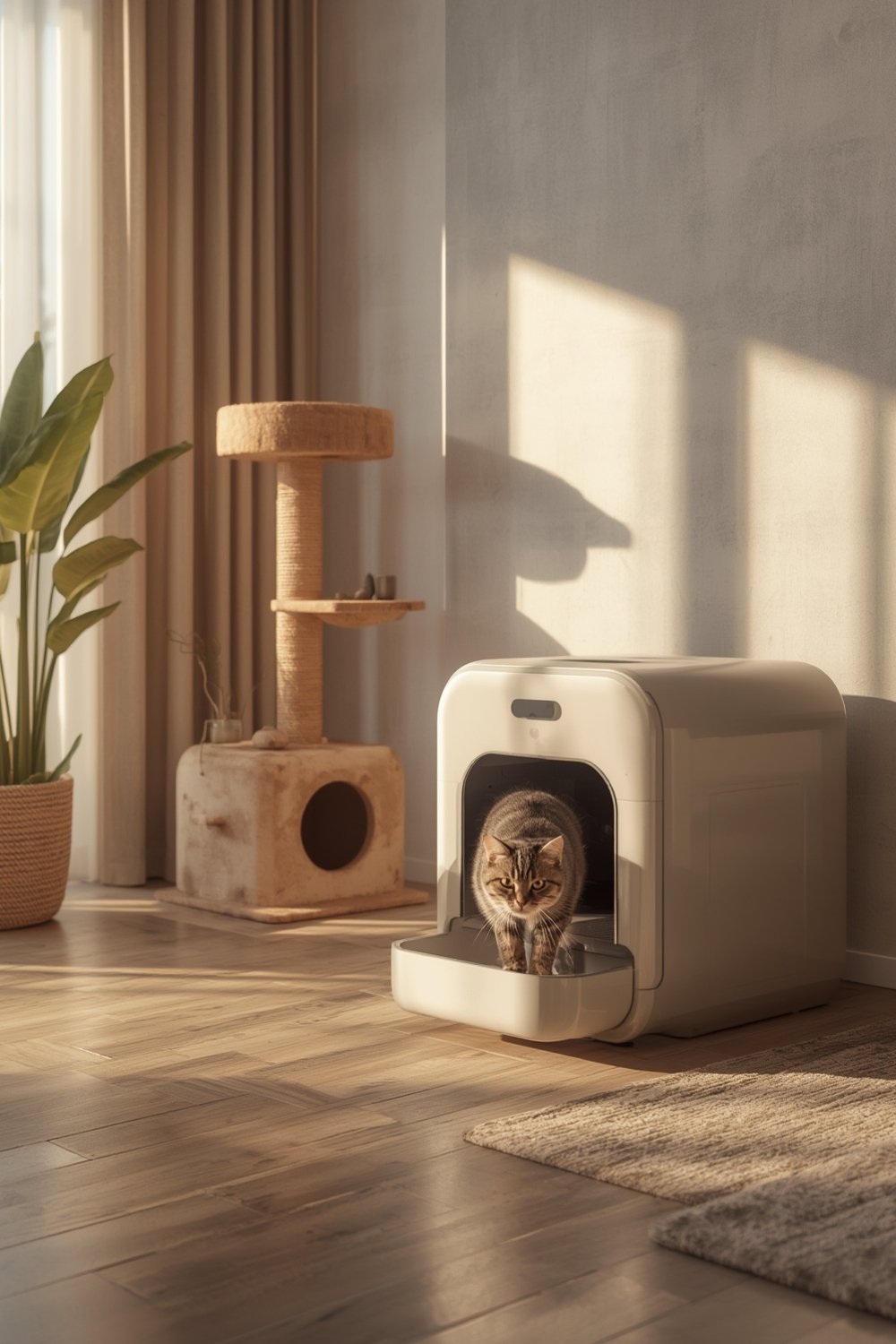
One practical advantage is time saved: an excellent auto litter box can reduce weekly scooping chores from hours to just minutes. But these devices need to be dependable. The best choices in 2026 balance tech with easy waste removal, sturdy build quality, and support for cats of all sizes.
Cost ranges have increased as features grow. Entry-level models start near $200, while more advanced units exceed $600 with WiFi, health tracking, and odor-neutralizing cartridges, according to recent independent reviews. Balancing bells and whistles with reliability is still key—especially since repairs and supply costs can add up over time.
Wondering about feeding solutions while you’re away? Check out the automatic pet feeder reviews for 2025 to complement your smart litter box setup.
Step-by-Step: Picking and Setting Up Your Automatic Litter Box
Getting the most out of the best automatic cat litter box in 2026 starts before you even plug it in. Here’s a realistic, actionable process:
- Gauge Your Space and Cat Preferences: Measure your intended setup area. Make sure there’s enough clearance for the box to cycle and your cat to enter comfortably.
- List Your Must-Haves: Prioritize features—do you need multi-cat capability, app integration, or is quiet operation most important? Note dealbreakers like compatibility with unscented natural litter.
- Read Real-World Reviews: Don’t just trust marketing claims. Seek owner reports about jamming, waste drawer capacity, and ramp usability. Current expert roundups and hands-on reviews can reveal hidden issues.
- Buy from an Authorized Retailer: Warranty problems and returns are much easier this way. Keep your receipt and register your product right away.
- Choose Litter Carefully: Most new boxes work best with clumping, low-dust, or specific crystal litters. Cheap litter or off-label types can clog sensors and moving parts, so follow the manual closely.
- Assembly and Placement: Assemble per instructions. Place the box somewhere quiet but accessible. Don’t crowd it in a corner or put it on plush carpet—it can trip sensors or block air vents.
- Introduce Your Cat Gradually: Leave the old box nearby for a week. Let your cat approach at their pace, and reward curiosity. For timid or senior cats, consider adding familiar bedding or toys close by at first.
- Monitor the First Week Closely: Watch for any sign of malfunction, litter scatter, or avoidance. Catching hiccups early means easier adjustments.
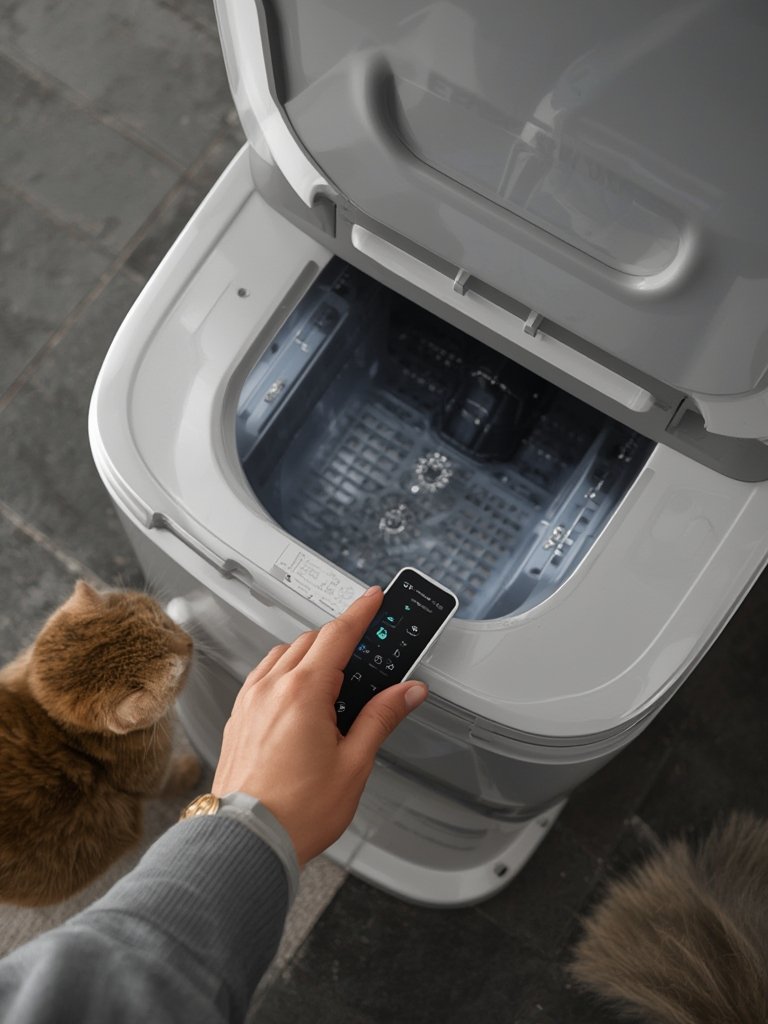
Maintenance also matters. Empty the waste tray twice weekly at minimum, and don’t forget to clean sensors with a soft, dry cloth every 7–14 days. Consult your specific model’s manual for exact cleaning protocols; ignoring them is the fastest way to malfunction.
You can enhance your overall pet care routine by pairing your new box with a cat water fountain for better hydration and odor control.
If you deal with excessive fur around your home, integrating a pet hair remover like ChomChom Roller can make overall cleaning much more efficient.
Advanced Analysis and Common Pitfalls
Most automatic cat litter boxes sound perfect in theory, but here’s what actually goes wrong in day-to-day use—and how different models truly compare as of 2026.
| Model Feature | Pros | Cons / Pitfalls |
|---|---|---|
| Self-cleaning mechanism (rotating globe, rake, conveyor) | Hands-off waste removal, saves time, good for multi-cats | May jam with sticky clumps or excess litter—frequent issue with deep cleaning needed |
| Odor control (carbon, antimicrobial, sealed waste) | Reduces odor between cleanouts, helps apartment users | Filters require frequent replacement—costs add up |
| App/wireless integration | Remotely track fills, maintenance reminders | Connection drops are common—alerts may not be real-time |
| Litter compatibility (clumping, crystal, etc.) | Can offer lower tracking and dust if matched well | Wrong type will clog or jam—read your manual and stick to approved brands |
| Waste drawer size | Larger drawers = less frequent emptying | If too small, weekly overflow and odor possible, especially with multi-cat houses |
Other realistic drawbacks include noise during cycling—some units are noticeably louder despite “quiet” branding—and failed detection on lighter or smaller cats. The best models are getting better at sensing all sizes, but double-check weight minimums if you own kittens or petite breeds.
App integration, though helpful, is not foolproof. WiFi-specific boxes are vulnerable to router changes and lost cloud connections. Always keep the manual’s troubleshooting section at hand for quick resets and error codes.
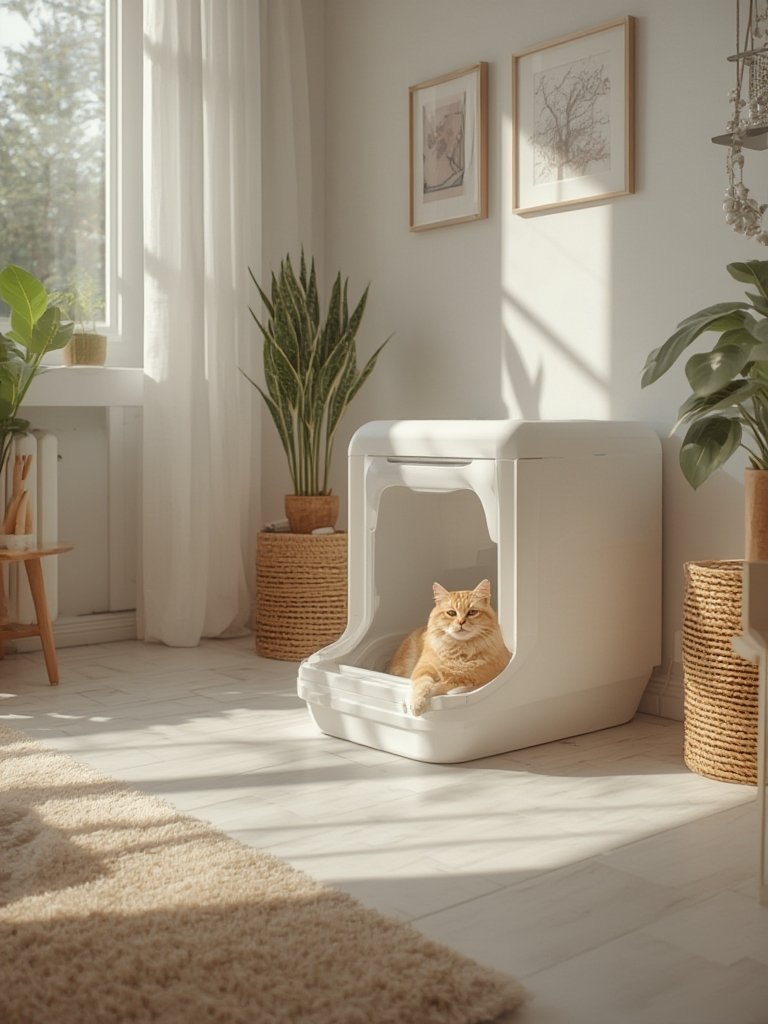
Remember: Even the best units require periodic deep cleaning, not just emptying. Hardened litter can jam tracks, and clogged sensors increase risk of malfunction—which could leave your cat without a working place to go. Schedule regular maintenance or set reminders on your smart home system for a truly worry-free experience.
If you need additional pet safety solutions, see the AirTag Dog Collar Safety Guide for ways to monitor pets beyond their litter spot.
Conclusion
Choosing the best automatic cat litter box 2026 is a mix of realistic expectations, regular care, and matching the right features to your home. Smart features and design improvements are reducing hassle and odor, but there’s no perfect “set and forget” model yet—hands-on oversight still matters. By using the steps and maintenance tips above, you’ll keep your litter box cleaner, your home fresher, and your cat happier. Explore the current top-rated options and bring convenience to your routine—starting today is the best step you can take for both you and your pets.
FAQ
Can I use any litter in the best automatic cat litter box 2026?
No. Most models require specific clumping or crystal types for optimal performance. Using unapproved litter leads to clogs and unreliable cleaning. Always check your manufacturer’s manual.
Are automatic litter boxes safe for senior or disabled cats?
Most are, as long as they have gentle ramps and sensors that work reliably with lighter weights. For nervous or older cats, introduce the box slowly and monitor for stress or avoidance.
How often do I need to empty and clean my automatic litter box?
Plan to empty the waste drawer at least every 3–5 days, even if the app says it’s not full. Deep clean the whole unit, including sensors, every 2–4 weeks for long-term reliability.
What should I do if the box gets jammed or displays an error?
Consult your user manual for reset and troubleshooting steps. Most jams are due to excess litter or debris in moving parts. If persistent, contact manufacturer support—warranties usually cover early failures.
Can I connect my automatic cat litter box to smart home systems?
Many 2026 models support WiFi and app integration, offering push notifications and some compatibility with smart home hubs. Setup varies, so review your chosen model’s specs for exact features.