

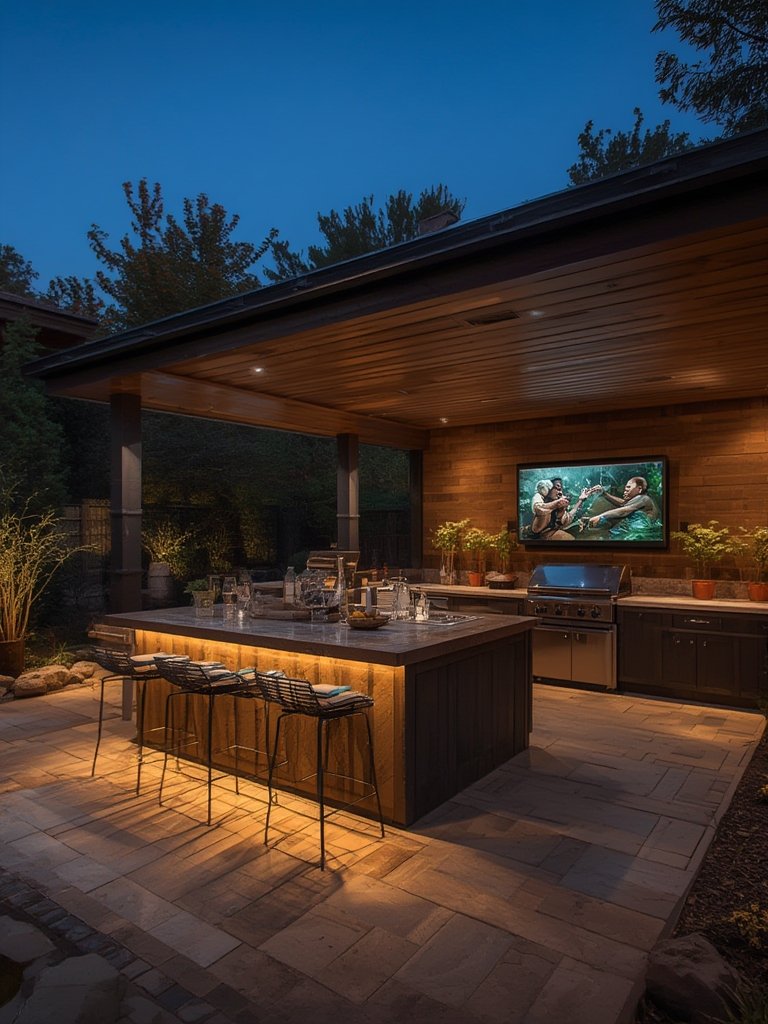
Outdoor Kitchen Design 2025: Create the Ultimate Backyard Entertainment Space
Introduction
Imagine stepping into your backyard and finding a fully functional, stylish cooking space that rivals your indoor kitchen. In 2025, outdoor kitchen design has evolved dramatically, transforming ordinary patios into extraordinary culinary havens. Today’s homeowners are investing in these exterior cooking spaces not just for their practical benefits but as central features of their backyard entertainment area. Whether you’re planning weekend gatherings, family dinners under the stars, or simply want to expand your living space, a well-designed outdoor kitchen creates endless opportunities to enjoy the fresh air while preparing delicious meals.
What You’ll Need / Materials Required
<img src="https://amzliving.com/wp-content/uploads/2025/11/Outdoor-kitchen-design-ingredients.jpg"/>
- Cooking Equipment: Professional-grade grill (gas, charcoal, or hybrid), pizza oven, smoker, side burners
- Countertops: Weather-resistant materials (granite, concrete, stainless steel, or composite)
- Cabinetry: Marine-grade polymer or stainless steel cabinets with weatherproof sealing
- Utilities: Gas lines, water connections, electrical outlets (GFCI-protected)
- Sink and Faucet: Stainless steel deep basin with cold/hot water connections
- Refrigeration: Outdoor-rated refrigerator, ice maker, wine cooler
- Lighting: Task lighting, ambient fixtures, path lights (LED recommended)
- Shelter Elements: Pergola, pavilion, or extended roof coverage
- Flooring: Non-slip, weather-resistant pavers, tiles, or concrete
Project Time / Installation Duration
Creating a comprehensive outdoor kitchen typically requires 3-8 weeks, depending on complexity and customization. Simple modular designs might take as little as 7-10 days, while elaborate built-in kitchens with custom features can extend to 2-3 months. The project involves multiple phases: design (1-2 weeks), permitting (varies by location), utility work (3-5 days), construction (1-3 weeks), and finishing touches (3-5 days). DIY enthusiasts with moderate to advanced skills can handle certain aspects, but professional installation is recommended for gas, water, and electrical components.
Step-by-Step Installation/Usage Guide
<img src="https://amzliving.com/wp-content/uploads/2025/11/Outdoor-kitchen-design-steps.jpg"/>
- Plan your layout: Create a detailed design considering workflow, distance between cooking zones, and proximity to your indoor kitchen.
- Secure necessary permits: Check local building codes and HOA regulations before beginning construction.
- Prepare the foundation: Ensure a level, stable base that can support the weight of appliances and materials.
- Install utility connections: Bring gas, water, and electrical lines to your outdoor space (professional installation recommended).
- Construct the framework: Build structural elements according to your design specifications.
- Install appliances and fixtures: Position and secure your grill, refrigerator, sink, and other components.
- Apply finishing materials: Add countertops, backsplashes, and decorative elements.
- Complete lighting installation: Ensure proper illumination for cooking and entertaining areas.
Key Features / Performance Benefits
Modern outdoor kitchen designs offer exceptional durability with materials specifically engineered to withstand harsh weather conditions. Unlike indoor spaces, these kitchens provide superior ventilation, eliminating cooking odors while creating a natural gathering space that seamlessly connects indoor and outdoor living. The versatility allows for specialized cooking methods impossible indoors, such as wood-fired grilling or smoking, enhancing meal possibilities while increasing property value by 10-15% according to recent real estate analyses.
Tips, Expert Recommendations, and Alternative Methods
For regions with unpredictable weather, consider retractable awnings or motorized pergola covers to extend usability. In smaller spaces, opt for multi-functional appliances like grill/smoker combinations and fold-down countertop extensions. Cold-climate homeowners should install wind barriers, heating elements, and choose materials with freeze-thaw resistance. Budget-conscious alternatives include prefabricated kitchen islands or phasing construction over multiple seasons, prioritizing the grill station first and adding complementary elements later.
Common Mistakes to Avoid
Avoid underestimating ventilation requirements, especially when positioning the kitchen near the house. Don’t skip proper drainage systems, as standing water can damage materials and create safety hazards. Ignoring proper clearances between hot and cold appliances leads to energy inefficiency and premature equipment failure. Installing inadequate lighting makes evening food preparation difficult and potentially dangerous. Finally, choosing indoor-rated materials and appliances for outdoor use will result in rapid deterioration and costly replacements.
Maintenance / Care Instructions
Regularly clean cooking surfaces according to manufacturer specifications, typically after each use. Apply appropriate sealants to countertops and natural stone surfaces annually. Check gas connections seasonally for leaks using soapy water. In winter months, properly winterize water lines and drain systems in freezing climates. Cover appliances when not in use with fitted, breathable covers. Inspect electrical components twice yearly for weather damage or pest intrusion.
Conclusion
Creating a thoughtfully designed outdoor kitchen transforms your backyard into a functional, beautiful space that extends your living area and enhances entertaining possibilities. By carefully selecting durable materials, proper equipment, and incorporating smart design principles, you’ll create an outdoor cooking environment that provides years of enjoyment and adds significant value to your home. Take the plunge into outdoor cooking and experience the joy of preparing meals while connecting with nature and loved ones.
FAQs
How much does a typical outdoor kitchen cost in 2025?
Costs range from $5,000-$50,000+ depending on size, materials, and appliances. Basic setups with quality grill and countertops average $8,000-$15,000, while comprehensive designs with premium appliances typically exceed $25,000.
Can I build an outdoor kitchen in a cold climate?
Absolutely! Choose freeze-resistant materials, incorporate heating elements, and consider partial enclosures. Proper winterization of water lines and drainage systems is essential.
What’s the most durable countertop material for outdoor use?
Granite, concrete, and porcelain remain top choices in 2025, with new composite materials offering excellent resistance to UV damage, staining, and temperature fluctuations.
Do I need a permit to build an outdoor kitchen?
Most jurisdictions require permits for outdoor kitchens, especially when installing gas, water, or electrical connections. Always check local building codes before beginning construction.