

Pet hair remover glove is the easiest way to control shedding and remove stubborn fur from your pets as well as from upholstery. Whether you have a shedding dog, a fluffy cat, or just want to keep your car and couch fur-free, the right glove helps you groom and clean with minimal hassle.
Key Takeaways
- Pet hair remover gloves are rapidly growing in popularity, with the global market valued at nearly USD 889 million in 2024 and rising fast.
- Most top review sources skip over real user issues: durability, effectiveness after washing, and lab-tested results are rarely discussed in depth.
- Choosing gloves with textured silicone tips and antimicrobial materials leads to better hair removal and glove longevity.
- What is a Pet Hair Remover Glove? (Core Concept)
- How to Use a Pet Hair Remover Glove: Step-by-Step
- Advanced Analysis & Common Pitfalls
- Conclusion
- FAQ
What is a Pet Hair Remover Glove? (Core Concept)
A pet hair remover glove is a wearable grooming tool, typically made from silicone or rubber, equipped with raised nubs or textured surfaces on the palm. These gloves are designed to make daily grooming comfortable for both pets and owners, turning every stroke into a gentle massage that lifts loose fur from dogs, cats, and other furry animals. You can also use them on soft furnishings and car seats to quickly gather pet hair that vacuums can miss.
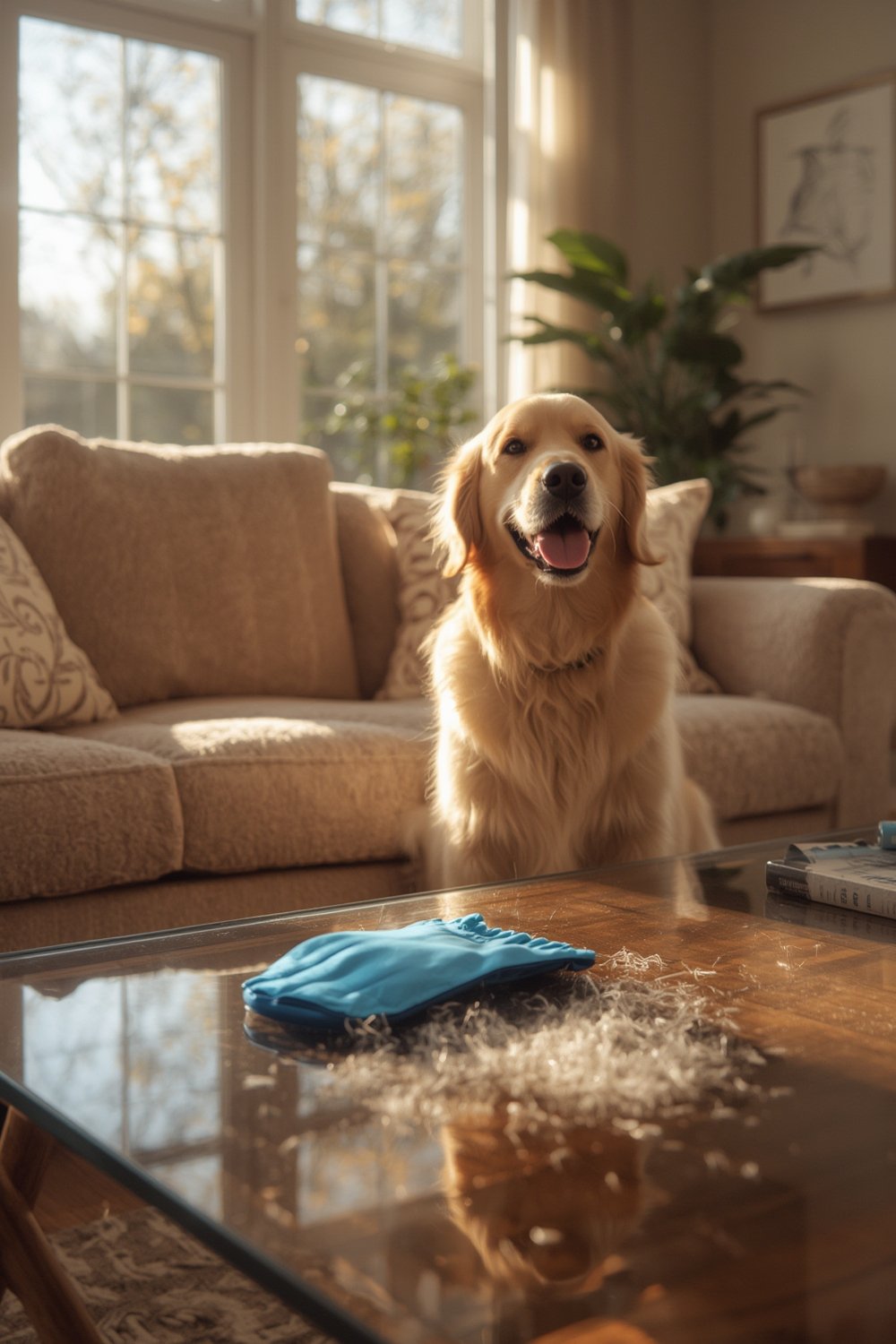
Unlike traditional slicker brushes or lint rollers, pet hair remover gloves are gentler on sensitive skin and don’t tug as much at the coat. Because most models are reusable and machine washable, they also help reduce waste and recurring purchase costs versus disposable sticky sheets or plastic combs. In a booming market expected to reach USD 2.18 billion by 2033, gloves with enhanced design features like antimicrobial silicone tips are leading in effectiveness and comfort.
The explosive demand is fueled by a major uptick in pet ownership, especially in North America and Asia-Pacific. According to recent reports, professional-grade pet grooming gloves now account for over USD 120 million in annual sales, nearly doubling by the next decade. Still, not all gloves are equal: material quality, nub design, and washability make a noticeable difference.
How to Use a Pet Hair Remover Glove: Step-by-Step
Getting the best results from a pet hair remover glove is about more than slipping it on and stroking your pet. With these actions, you’ll get the maximum benefit for both you and your home:
-
- Prepare the Glove: Ensure your glove is clean and fully dry. If you’ve recently washed it, shake off any remaining water. Inspect the glove for residue buildup on the nubs—that can affect grip.
- Groom Your Pet: Gently begin stroking your pet using moderate pressure. Focus on high-shedding areas like the back, sides, and haunches. Massage in long strokes to loosen undercoat fur. For anxious pets, let them sniff and see the glove before starting.
- Remove the Hair: When the glove surface is full, peel off the collected hair pad in one sheet for easy cleanup. Most gloves let you do this with one hand.
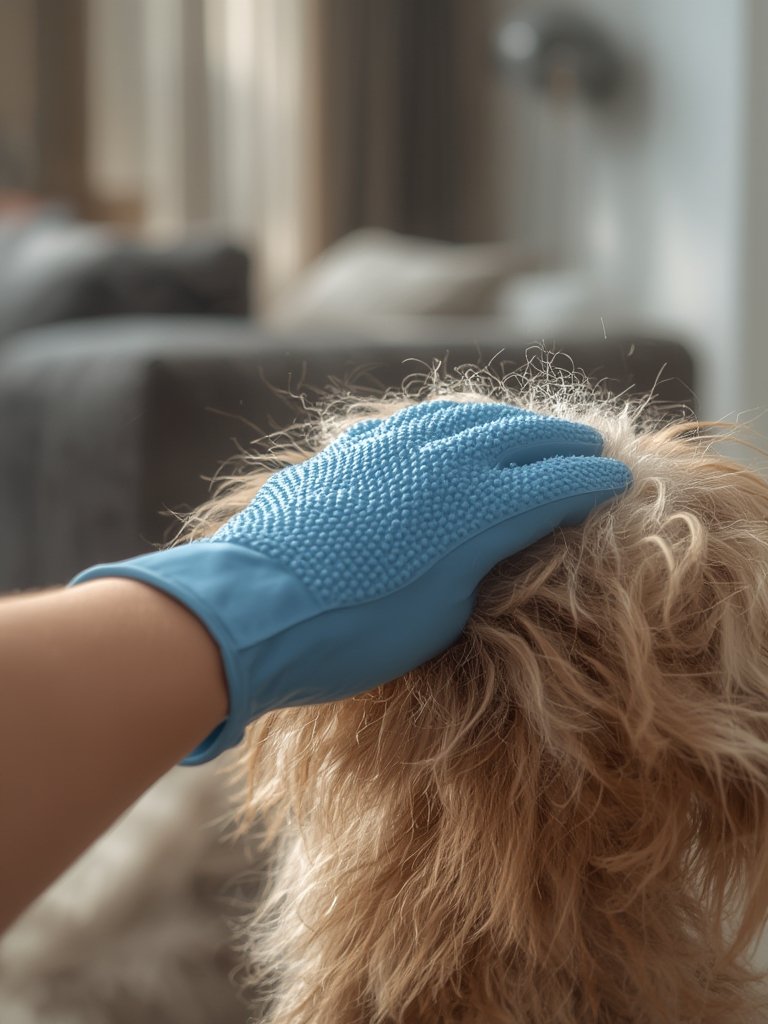
- Clean Surfaces: For furniture or car upholstery, wear the glove and use sweeping motions across fabric surfaces. The silicone tips attract and bundle stray hair, even from hard-to-reach places.
- Aftercare: Wash your glove in warm, soapy water (or the washing machine if it’s labeled safe), then air dry thoroughly. Avoid using a dryer, as high heat can degrade the silicone over time.
- Store Properly: Keep gloves in a cool, dry spot to maintain the integrity of the silicone or rubber. Leaving them near heaters or in sunlight can cause warping or cracking.
Consistent use, especially during seasonal shedding, saves you repetitive vacuuming and lint rolling. Some users even keep a glove stashed near the door for quick touch-ups after walks or play sessions.
If you’re on a home update streak, comprehensive grooming also helps keep new finishes and remodeling work—from kitchen remodels to bathroom upgrades—pet hair-free for longer.
Advanced Analysis & Common Pitfalls
While the pet hair remover glove solves a range of grooming woes, there are realistic issues to watch for. Based on industry research, user forums, and expert guidance, these are the main pitfalls and overlooked aspects:
- Questionable Effectiveness on All Coats: Some gloves perform better on short or medium fur but struggle with thick double coats or wiry breeds. No independent lab tests reliably compare percentage-wise fur removal against traditional slicker brushes.
- Durability After Washing: Washable gloves can lose their grip or see the silicone nubs flatten after repeated machine cycles—especially if exposed to heat or aggressive detergents.
- No Lab-Certified Hygiene Results: Despite antimicrobial claims, there is little third-party data on germs or bacteria reduction versus regular grooming tools.
- Missing Cost Transparency: The market lacks clear 2024 average prices or direct comparisons between reusable (washable) and disposable alternatives. In most cases, paying slightly more for premium gloves saves money long-term compared to constantly buying lint rollers.
- Gaps in User Reviews: Major review sites do not fully address issues like drying time, residue buildup on silicone, or exact function loss after washing. Negative experiences are often vague.
| Feature | Pet Hair Remover Glove | Traditional Brush | Disposable Roller |
|---|---|---|---|
| Reusable/Washable | Yes | Yes | No |
| Comfort for Pets | High | Medium-Low | N/A |
| Removes Surface Hair from Furniture | Yes | No | Yes |
| Average Lifespan | 6-18 months | 12-24 months | Single use |
| Material Innovation | Silicone, Antimicrobial | Metal Pins/Plastic | Adhesive Paper |
| Effective on All Coat Types | Varies | More Consistent | Yes (but not deep cleaning) |
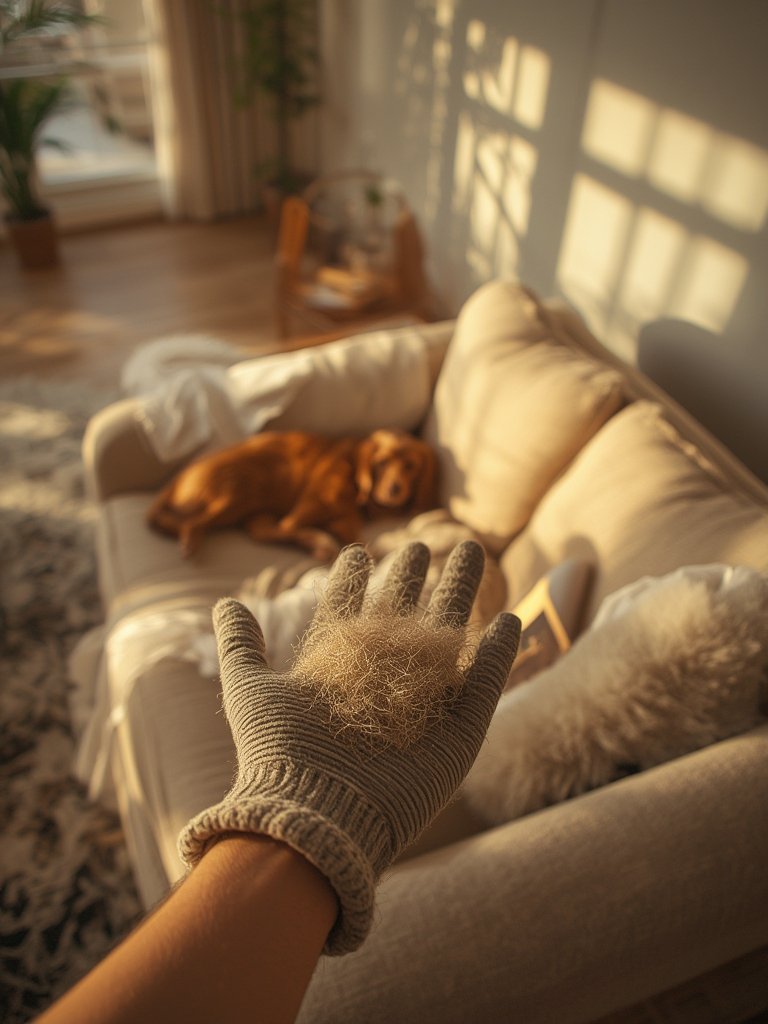
To further boost your home’s tidiness, supplement glove sessions with simple upgrades like hardwood floor refinishing or even exploring local landscaping services for outdoor-friendly pets. Also, for extra pet safety, pairing grooming with smart solutions like an AirTag dog collar gives peace of mind if your buddy is an escape artist.
Conclusion
Pet hair remover gloves have become a staple for keeping pets and homes clean. The most effective models now use advanced silicone materials, antimicrobial features, and thoughtful nub patterns to optimize hair removal and provide a massage-like experience for your pet. While lab-verified stats are missing, real-world users report impressive results, especially for routine use on couches, beds, and in cars. The key is following best practices for grooming, cleaning, and storage—your pet hair remover glove will serve longer and perform better. Ready to experience a cleaner, fur-free home? Pick the right glove for your needs and start grooming smarter today.
FAQ
How do I clean and dry a pet hair remover glove?
Wash most gloves in warm, soapy water and rinse thoroughly. Air dry flat—avoid wringing or using a dryer, as high heat can damage silicone tips.
Can pet hair remover gloves be used on all pets?
Most gloves are safe for dogs, cats, and some small animals like rabbits. Always check the manufacturer’s recommendations and do a patch test with sensitive pets.
How long do reusable gloves typically last?
With gentle washing and storage, high-quality gloves last 6 to 18 months, depending on usage frequency and material durability.
Are these gloves truly effective on furniture and clothes?
Yes, provided the surfaces are fabric or upholstery. Gloves are less effective on leather, plastic, or super-slick surfaces compared to sticky rollers.
What should I do if the glove loses grip after several washes?
If nubs flatten or silicone loses tack, deep clean the glove with vinegar and thorough rinsing. If the issue persists, it may be time for a replacement.